
Bulk Bags for Grain Processing Plants: FIBC Selection Guide
Configuring bulk bags for a grain processing plant is a matching exercise, not a catalogue exercise. The bag has to fit the filling equipment that already exists, the discharge point that already exists, and the load the plant actually handles. When those three things line up, a standard FIBC bag (Flexible Intermediate Bulk Container, also called a ton bag or jumbo bag) moves grain, flour, starch or feed through the line without spilling, dusting or adding manual handling steps.
This application guide covers FIBC selection for grain processing plants and related agriculture and food material handling. It explains how to choose food-grade FIBC bulk bags, how to set a safe working load inside the 500–2000 kg range, and how to match top structures (fill spout, full open top, top cover) and bottom structures (discharge spout, flat bottom) to the fill and discharge lines a plant already runs.
Why FIBC selection goes wrong on a grain line
Most problems described as 'bad bags' in a grain plant turn out to be configuration mismatches rather than manufacturing faults. Four of the most common are structural, and all four are decided before the first bag is produced.
- The fill opening does not match the filler. If the top opening does not suit the filling head, operators have to hold, adjust or improvise at the station, which slows the line and releases dust into the plant.
- Working load set from the average, not the maximum. Safe Working Load has to cover the heaviest filled bag the line will ever produce, including product retained in the bag during partial discharge.
- The bottom structure does not match the emptying point. A flat-bottom bag used at a station designed for a discharge spout usually gets cut open, turning a controlled discharge into a manual one.
- No top cover where the bag is stored. Bags that sit between filling and shipment expose the product surface to dust and moisture unless the top is closed.
All four are specification decisions, which is why selection should start at the filling and discharge equipment and work backwards to the bag — not the other way around.
Industry background: the standards that frame FIBC selection
FIBC design is not a free-form exercise. ISO 21898:2024 specifies materials, construction and design requirements, type test and marking requirements for flexible intermediate bulk containers intended to contain non-dangerous solid materials in powder, granular or paste form, and designed to be lifted from above by integral or detachable devices. The European adoption of the same requirement set, EN ISO 21898:2024, was approved by CEN on 12 August 2024.
In China, GB/T 10454-2025 is the national standard for packaging flexible intermediate bulk containers for non-dangerous goods. It replaces GB/T 10454-2000 and GB/T 37425-2019 and has been in effect since 1 March 2026. The earlier international edition, ISO 21898:2004, has been superseded.
Grain, flour, starch and feed ingredients are non-dangerous solids, so the ISO 21898 / GB/T 10454 requirement set is the relevant reference frame for this application. Electrostatic classification is a separate matter: IEC 61340-4-4:2018 specifies requirements for FIBCs between 0.25 m³ and 3 m³ intended for use in hazardous explosive atmospheres. Whether that scope applies at a specific plant is a site safety and engineering decision, not a bag-catalogue decision.
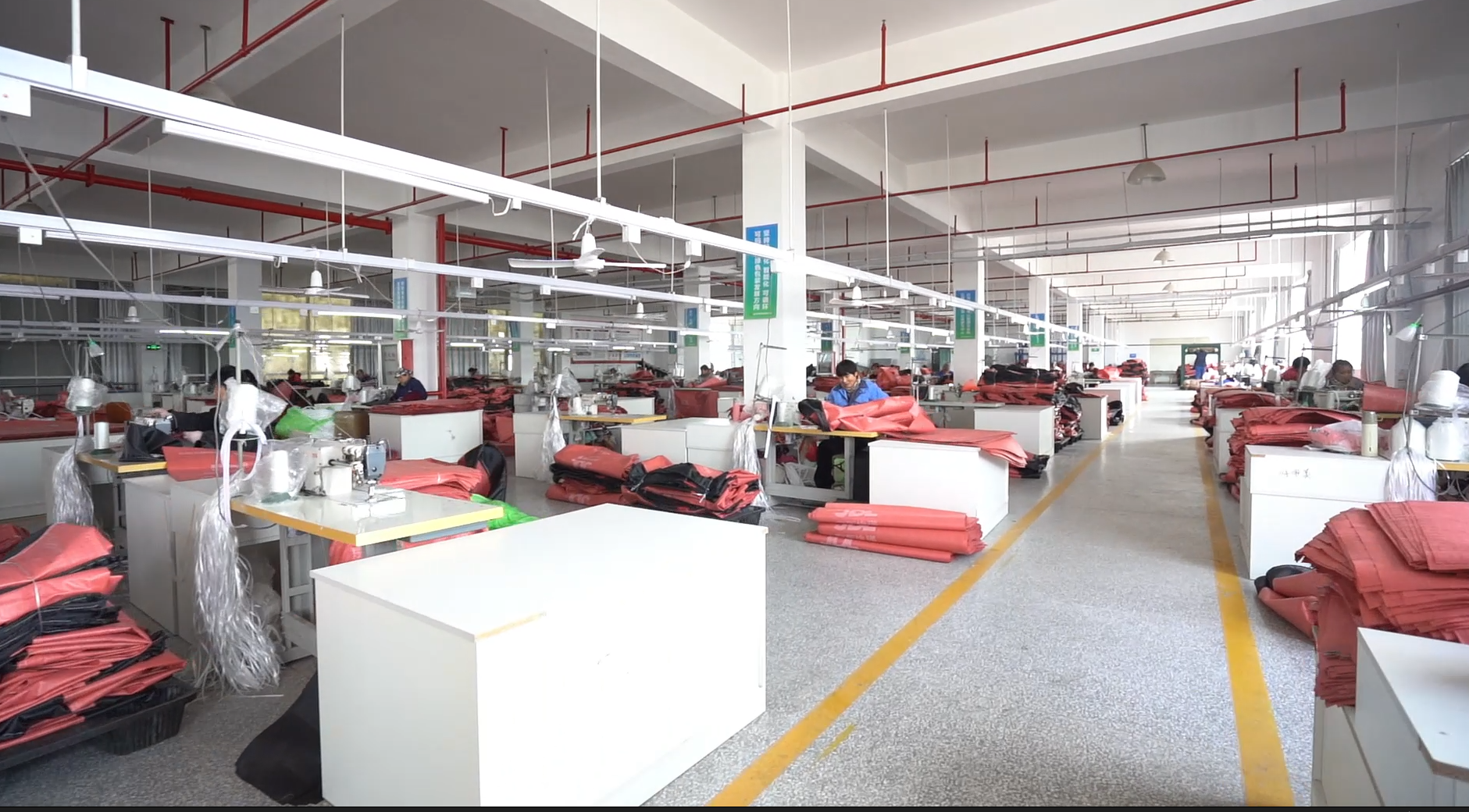
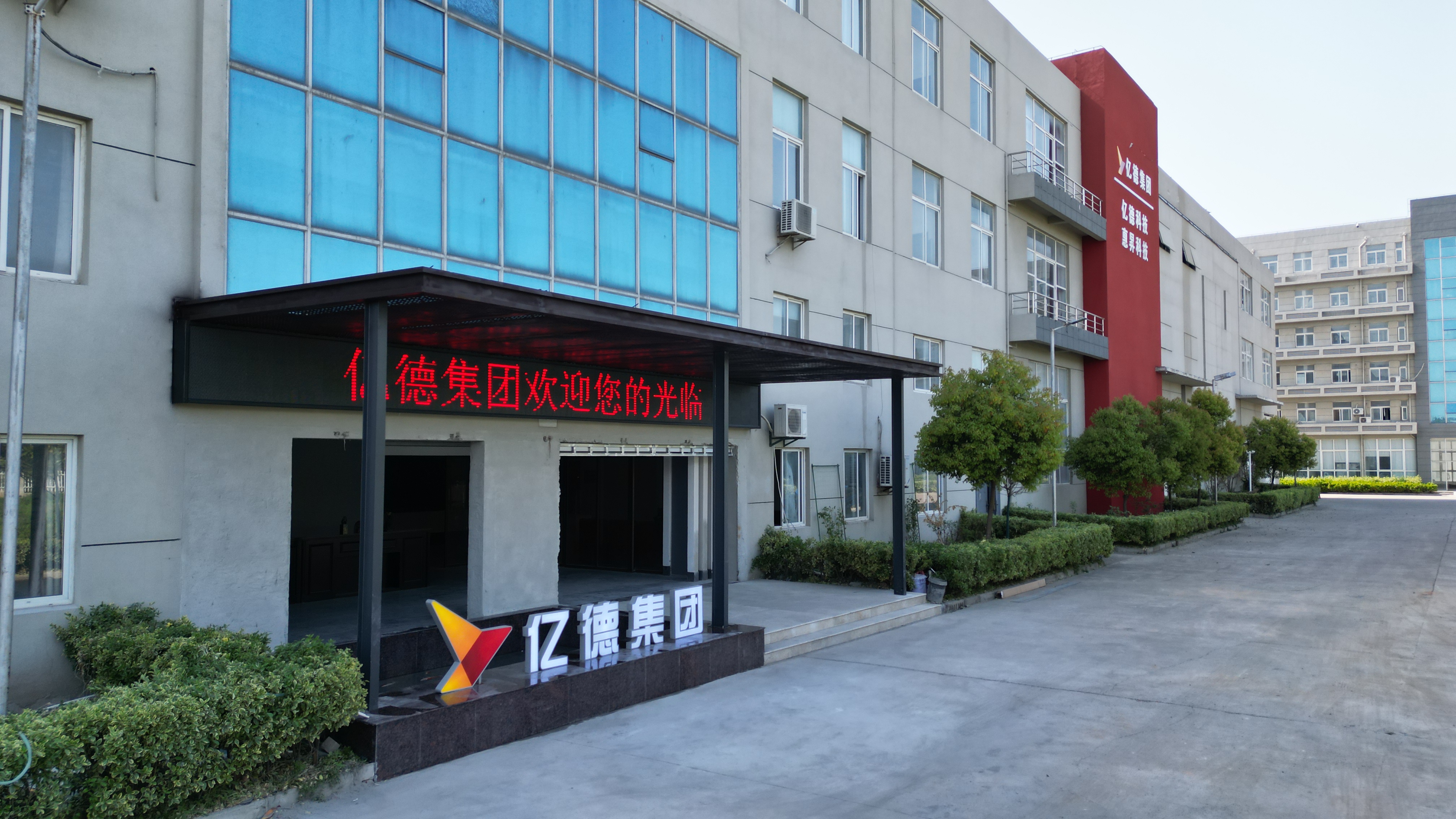
Yancheng Yide Packaging Technology Co., Ltd. (Yide Packaging) is a bulk packaging manufacturer and customized packaging solution provider based in Yancheng, Jiangsu, China, established in 2022. The company manufactures FIBC bags, ton bags, industrial bulk bags, PP woven bags, valve bags and paper-plastic composite bags. Its FIBC production base includes approximately 80,000 m² of standardized factory facilities, including a 5,000 m² food-grade clean workshop — the part of the site that matters most for grain, flour and food-ingredient handling.
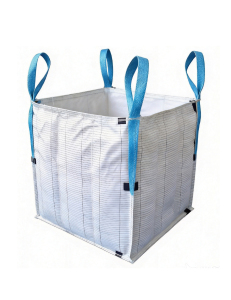
The four configuration decisions
1. Food-grade construction
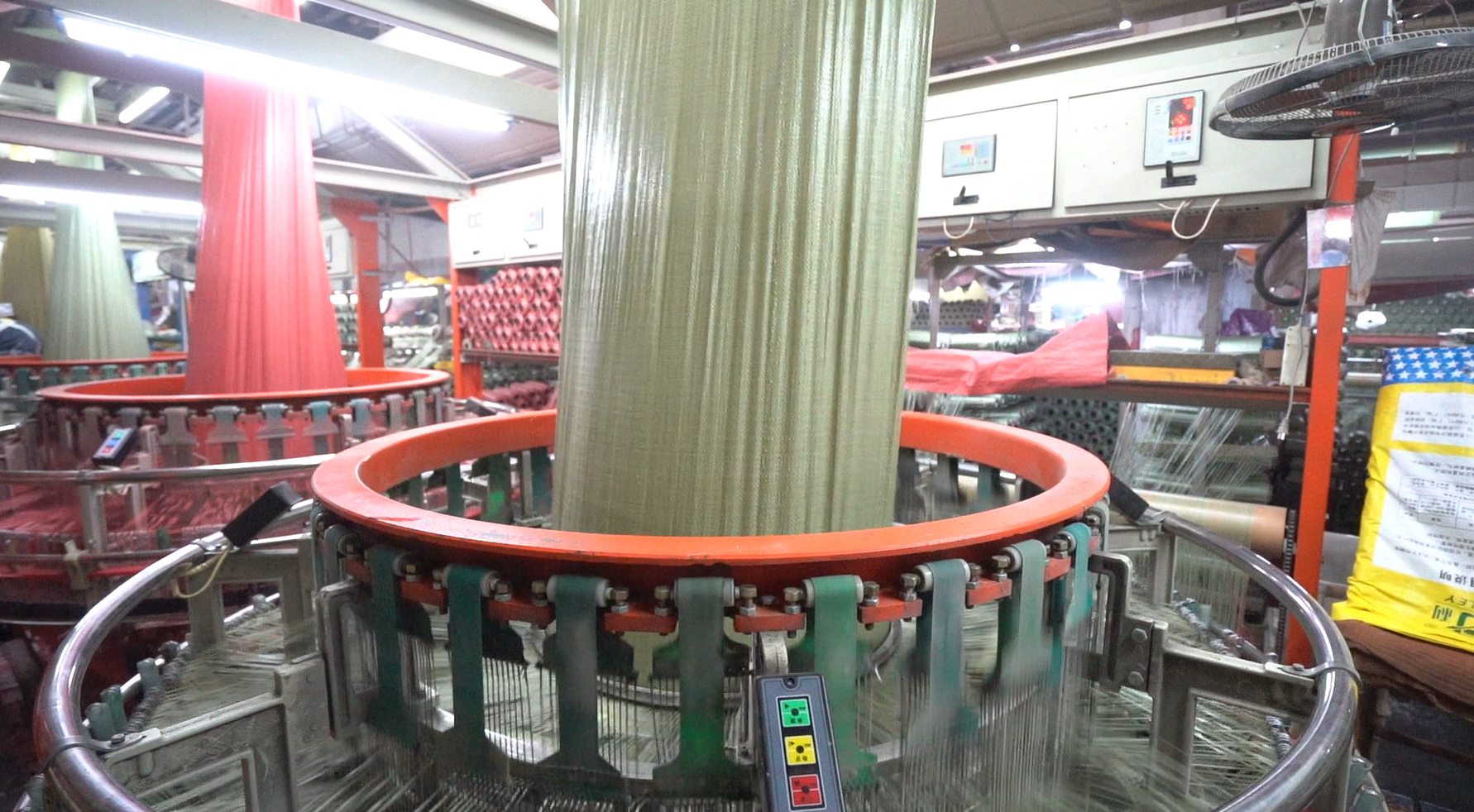
In grain processing, the bag sits inside the food or feed chain, so construction matters as much as dimensions. The material specified for Yide ton bags is virgin PP woven polypropylene fabric, with reinforced thickened anti-static fabric available as an alternative construction where the application calls for it. Lamination is optional: laminated fabric adds a moisture and dust barrier across the woven surface, while non-laminated fabric remains breathable.
Manufacturing environment matters too. Yide Packaging operates a 5,000 m² food-grade clean workshop inside its FIBC production base, and its management systems are certified. ISO 9001 (certificate 12426Q00719R001, issued by Zhongbiaoyan Guolian (Beijing) Certification Center) covers the manufacturing of mail bags, including FIBC, transit bags and woven bags. ISO 14001 (12426E00299R001) covers the environmental management activities associated with that manufacturing, and ISO 45001 (12426S00261R001) covers occupational health and safety management activities related to the production of postal bags, including FIBC, bulk bags, transfer bags and woven bags.
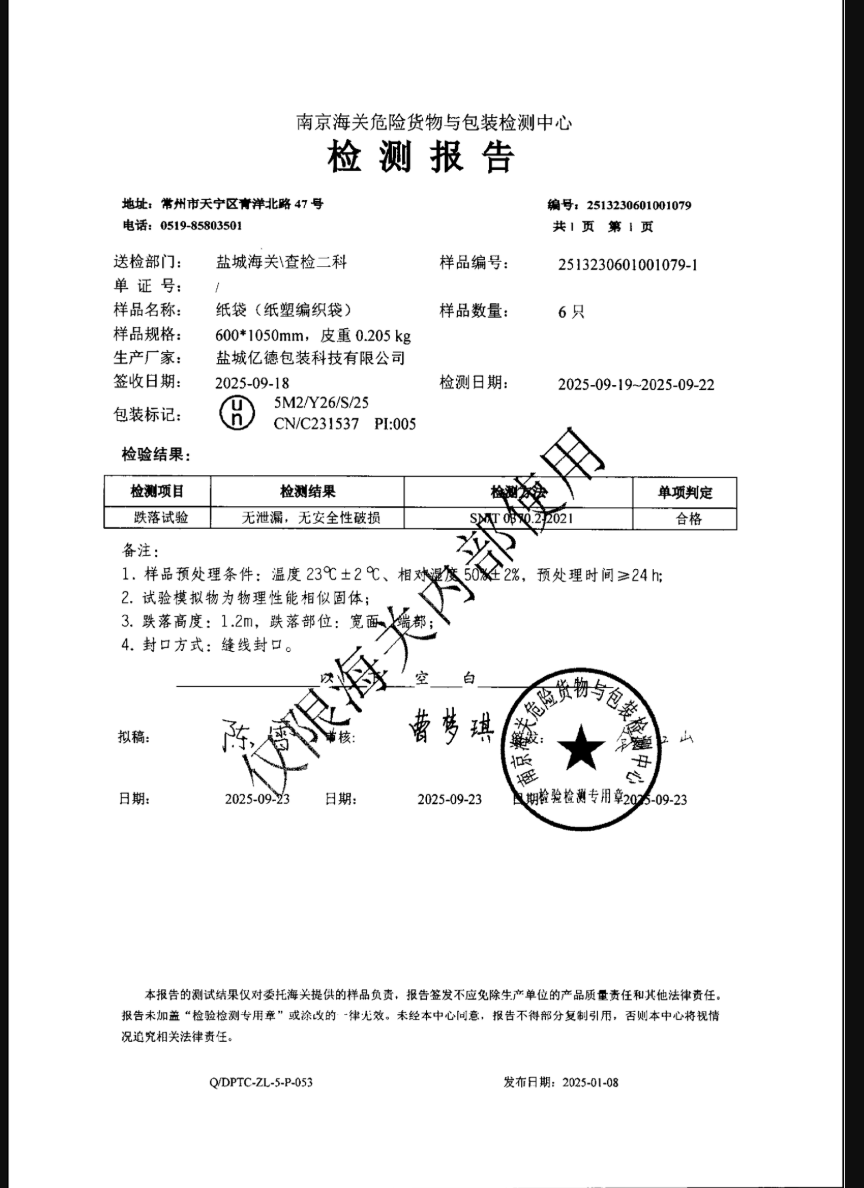
Material-level testing is documented as well. A REACH SVHC screening test (report DGC260127018YD03, issued 31 July 2026 by Dongguan Beice Standards Technical Service Co., Ltd.) screened 251 substances of very high concern on a white woven packaging bag against REACH Regulation (EC) No 1907/2006. A halogen content test (report DGC260127018YD02, issued 3 February 2026 by Dongguan NTEK Standard Technical Service Co., Ltd.) tested fluorine, chlorine, bromine and iodine content to BS EN 14582:2016. A RoHS 2.0 hazardous substances test (report A2260656737101001C, issued 5 August 2026 by CTI) covered lead, cadmium, mercury, hexavalent chromium, PBBs, PBDEs and four phthalates on a paper-plastic bag sample against RoHS Directive 2011/65/EU and its amendment 2015/863/EU.
For a grain plant, the practical takeaway is straightforward: state the construction you need — virgin PP, laminated or non-laminated, liner or no liner — and request the test documentation that applies to the material you are buying, rather than relying on a general statement about quality.
2. Safe working load
Yide ton bags are specified for a Safe Working Load of 500–2000 kg, and a standard ton bag is commonly used at around 1,000 kg. The correct figure for a grain line is the heaviest filled weight the plant will produce, including any product left in the bag during partial discharge.
Three practical rules apply. First, set the Safe Working Load above the maximum fill weight, not at it. Second, remember that Safe Working Load is a design figure tied to the lifting configuration — Yide FIBCs use four lifting belts and high-strength polyester thread sewing — so any change to handling equipment should trigger a review of the bag specification. Third, never exceed the specified Safe Working Load in operation, even for a single bag.
3. Top structures: matching the fill point
The top of the bag is decided by how the plant fills it. Yide ton bags are available with a fill spout, a full open top, or a top cover.
| Top structure | Matches this filling method | Why grain plants choose it |
|---|---|---|
| Fill spout | Enclosed spout filling heads and bulk weighing hoppers | Product enters through a defined opening that connects to the filling head, keeping the filling station contained. |
| Full open top | Manual filling, bulk hopper discharge, or where the whole bag mouth must be accessible | Maximum access to the bag interior, useful where product is poured or where an internal liner has to be positioned. |
| Top cover | Filled bags that are stored or transported before emptying | Closes the bag after filling to limit dust ingress and moisture exposure during storage. |
In practice the top cover is not an alternative to the fill spout — it is an addition. A grain plant that fills through a spout and then stores the bag will usually want a fill spout for the filling station and a top cover for the period between filling and shipment.
4. Bottom structures: matching the discharge point
The bottom of the bag is decided by how the plant empties it, not by the product alone.
| Bottom structure | Matches this discharge method | Why grain plants choose it |
|---|---|---|
| Discharge spout | Enclosed discharge points, screw conveyors and dust-controlled emptying stations | Product leaves through a defined opening that can be tied off or connected, supporting controlled emptying. |
| Flat bottom | Full-dump discharge, liner-based emptying, or stations where the bag is emptied by tipping or opening | A closed bottom with no discharge opening, used where the plant does not need bottom-controlled flow. |
A frequent error on grain lines is specifying a discharge spout where the plant has no sealed discharge station, or specifying a flat bottom where it does. Reconciling the bag bottom with the emptying equipment removes a manual step from every single bag.
5. Lifting, sewing and lamination
Yide FIBC ton bags use four lifting belts and are sewn with high-strength polyester thread. Lamination is optional: laminated versions add a moisture and dust barrier, while non-laminated versions remain breathable. Sizes are customized on demand, so the bag can be dimensioned around the plant's existing filling height, pallet footprint and container loading plan rather than the other way round.
Step-by-step: configuring an FIBC for a grain line
- Characterise the product and the fill weight. Record whether the material is a powder, granule, pellet or flake, and establish the heaviest filled weight the line will produce. This number drives the Safe Working Load, which for Yide ton bags sits within the 500–2000 kg range.
- Confirm the food-grade requirement. Decide whether the product needs food-grade construction, whether an internal liner is required, and whether laminated fabric is needed for moisture and dust protection.
- Match the top structure to the filling equipment. If the plant fills through an enclosed spout, specify a fill spout. If it fills from a hopper or by hand, specify a full open top. Add a top cover if filled bags are stored before shipment.
- Match the bottom structure to the emptying point. Specify a discharge spout where the plant has a controlled, enclosed discharge station. Specify a flat bottom where bags are emptied by tipping, cutting or liner removal.
- Set the lifting configuration. Confirm how the bag will be lifted — the standard Yide FIBC configuration is four lifting belts — and check compatibility with the plant's handling equipment.
- Decide on lamination and size. Choose laminated or non-laminated fabric, then dimension the bag to the filling height, storage footprint and transport plan. Sizes can be customized on demand.
- Validate with a sample before production. Yide Packaging manufactures samples without printing for customer confirmation, and the acceptance criterion is a pre-production sample review. This is the stage where a configuration error is cheapest to correct.
- Confirm the production plan. The MOQ for customized products is 5,000 pcs, the lead time for customized products is 45 days excluding delivery time, and monthly capacity is 50,000 pcs.
Use cases: how grain plants apply these decisions
Grain intake and weighing lines
Intake lines fill fast and repeatedly, so the fill opening has to connect cleanly to the filling head to avoid spillage and dust at the station. A typical configuration pairs a fill spout with a Safe Working Load set from the maximum intake weight, and a discharge spout if the downstream station is enclosed.
Flour, starch and powder milling
Fine powders are the most difficult materials to contain. Where dust control and moisture protection matter, a laminated or internally lined construction is used together with a discharge spout so the bag empties into a contained discharge point instead of being opened over an open pit.
Feed mills and ingredient blending
Feed plants often handle several ingredients through the same line. Standardising on one Safe Working Load band and one top/bottom structure combination across ingredients reduces operator decisions and the risk of the wrong bag being used at the wrong station.
Seed and food-ingredient packing
Flour, sugar, starch, salt, spices and other dry food ingredients are among the materials commonly packed in ton bags, alongside grains, rice, wheat, corn, seeds and animal feed. For these products, food-grade construction and clean-workshop manufacturing are the specification starting point, with the top and bottom structures selected around the packing line.
Export consolidation and container loading
When filled bags leave the site, dimensions are adapted to the pallet footprint and the container loading plan, and a top cover is added for bags that wait in transit. Buyers exporting grain products generally also request the material test documentation set alongside the shipment documents.
Storage where moisture is a risk
Where bags are stored rather than shipped immediately, the combination of a top cover and laminated fabric is the usual answer to dust ingress and moisture exposure during storage.
Comparison table: matching bag structure to grain line equipment
| Filling method at the plant | Emptying method at the plant | Recommended top structure | Recommended bottom structure |
|---|---|---|---|
| Enclosed spout filler | Enclosed discharge station | Fill spout | Discharge spout |
| Hopper or manual filling | Enclosed discharge station | Full open top | Discharge spout |
| Enclosed spout filler | Full-dump or liner emptying | Fill spout | Flat bottom |
| Hopper or manual filling | Full-dump or liner emptying | Full open top | Flat bottom |
| Any filling method | Bags stored before emptying | Add top cover | Unchanged |
Read the table from the plant's existing equipment outward. The two left-hand columns describe what the site already has; the two right-hand columns describe what should be specified. Where a plant operates more than one filling or emptying point, the bag specification should follow the tightest constraint in the process, not the most common one.
FAQ
Which standard applies to FIBC bulk bags used for grain?
Grain is a non-dangerous solid, so the relevant reference is the FIBC packaging standard for non-dangerous goods. ISO 21898:2024 specifies materials, construction and design requirements, type tests and marking requirements for flexible intermediate bulk containers used for non-dangerous solid materials in powder, granular or paste form. EN ISO 21898:2024 is the European adoption, approved by CEN on 12 August 2024. In China, GB/T 10454-2025 replaces GB/T 10454-2000 and GB/T 37425-2019 and has been in effect since 1 March 2026. IEC 61340-4-4:2018, which covers electrostatic classification for FIBCs of 0.25 m³ to 3 m³ in hazardous explosive atmospheres, is a separate and narrower scope that depends on the individual plant's own assessment.
Can a Chinese bulk bag manufacturer provide OEM printing and coating for grain FIBCs?
Yes. Yide Packaging provides ODM production services, and its ton bags can be customized by size, material, fabric weight, Safe Working Load, safety factor, lamination, printing, colour, lifting structure, and filling and discharge design. Coating (lamination) is an optional feature of the ton bag construction, so a grain buyer can specify a laminated version where a moisture and dust barrier is required, or a non-laminated breathable version where it is not. Custom logo and text printing is available across the woven packaging range.
What determines the minimum order quantity and commercial terms for custom FIBC bags?
Commercial structure depends on whether the buyer is ordering a stock item or a customized product. Yide Packaging quotes a MOQ of 1 pc for spot goods, with freight not included. For customized products the MOQ is 5,000 pcs. Free samples are available, with the buyer bearing the shipping cost. Payment terms are 30% deposit in advance and 70% balance before shipment, negotiable under special circumstances.
Can we test a sample before committing to a bulk order?
Yes. Samples without printing are provided for customer confirmation, and the acceptance criterion for production is that samples are sent for confirmation before manufacturing begins. A single sample can be delivered for evaluation. This sample stage is where the top structure, bottom structure, Safe Working Load and lamination choice are verified against the plant's actual filling and discharge equipment.
What is the lead time and production capacity for customized FIBC orders?
Lead time for customized Yide Packaging products is 45 days, excluding delivery time, and monthly capacity is 50,000 pcs. The company also states that in the event of a shortage of bags, re-delivery or a corresponding deduction is available. Buyers who need to confirm documentation, samples or a production slot can start by requesting the current catalogue and material test reports from the Yide Packaging team.
Conclusion
FIBC selection for a grain processing plant is decided by three plant facts: how the bag is filled, how it is emptied, and how heavy it gets. Food-grade construction addresses the material side. A Safe Working Load set from the heaviest filled weight — within the 500–2000 kg range Yide ton bags are specified for — addresses the load side. The top and bottom structures address the equipment side, and they are the part of the specification most often copied from a previous order instead of matched to the current line.
Where the plant already has enclosed filling and discharge equipment, a fill spout and discharge spout configuration usually follows. Where filling is manual or hopper-based and emptying is by full dump, a full open top and flat bottom configuration usually follows. A top cover is added whenever bags are stored before shipment. Each of these choices can be validated on a pre-production sample before a 5,000 pc customized order is placed.
Next step: if you are configuring bulk bags for a grain processing, milling, feed or food-ingredient line, Yide Packaging can review your filling and discharge equipment and propose a matching FIBC specification.
Yancheng Yide Packaging Technology Co., Ltd. — Yancheng City Dafeng District Development Zone, Changzhou Industrial Park, west side of Changzhou Road, north side of Changqing Road, Buildings 2, 3 and 4, Jiangsu, China.
Email: yidepackaging@gmail.com | Tel / WhatsApp: +86 178-2626-5555 | Website: www.ycyide.net
Download the company catalogue: Yide Packaging company brochure (PDF)

Have Questions or Need More Details?
Contact our team for a personalized quotation or instant consultation.
Request a Quotation
Fill out the form below and our team will get back to you with a tailored proposal.
WhatsApp Direct Chat
Prefer to chat in real-time? Message us on WhatsApp for instant assistance & quick answers.
- Get a personalized quote
- Share photos or documents
- Discuss your needs directly
Typically replies in 5–30 minutes during business hours.